
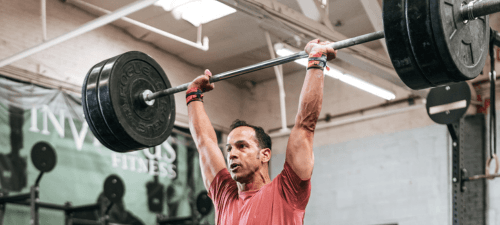
I’ve been coaching full-time since 2008, and one of the most important lessons I’ve learned is this: even coaches need coaches. When I first started, I fell into coaching while working toward my teaching credential. I never saw myself as a “personal trainer”—that title didn’t resonate with me—but the role of a coach felt different. Coaching isn’t just about counting reps or running workouts; it’s about guiding, supporting, and motivating people to reach their goals.
I once came across a definition of a coach’s role that really stuck with me:
A coach’s role is to guide, support, and motivate individuals or groups to achieve their goals, whether in sports, personal development, or professional settings. They help clients identify their aspirations, overcome obstacles, and develop strategies for success. This involves creating a safe space for self-discovery, providing feedback, and fostering accountability.
That’s exactly how I see my work—and it’s also why I’ve always made it a priority to have a coach of my own. Over the years, I’ve realized that no matter how much experience we have, we can all benefit from guidance, feedback, and accountability.
Six Reasons to Have a Coach
Guidance and Feedback How will I know if I’m doing a good job coaching if no one is evaluating me on a regular basis? If I’m not receiving feedback, how will I know which areas I need to improve? The journey to mastery never ends, and it’s important to find a coach you trust who can provide constructive feedback to help you continue to grow. Avoid Stagnation Having a coach helps prevent me from becoming stagnant. Over the years, I’ve had ups and downs in my coaching career—times when I didn’t feel like I was growing. Just like our clients, we hit plateaus too. A coach can help pull you out of those funks, identify what’s holding you back, bring clarity to your purpose, and keep you striving to serve your clients in the best way possible. Accountability and Motivation I don’t know about you, but I’m not always motivated. I like having goals to work toward, but even that can be hard sometimes—figuring out what goals to set, how to achieve them, and finding the drive to follow through. Having a coach helps. I guide my clients in setting SMART goals, but unless I have someone doing the same for me, I’m unlikely to set them on my own. I’m the type of person who thrives with goals. Not everyone is like this, but for me, knowing I’m accountable to a coach keeps me motivated. Identify Blind Spots We don’t know what we don’t know. Without a coach, blind spots are hard to see. A good coach provides an unbiased perspective that can help reveal areas of weakness—things you didn’t even realize you needed to improve. Practice What You Preach There have been times in my coaching career when I drifted from my purpose and vision. How can I expect someone to work out three to five times a week and improve their nutrition habits if I’m not willing to do the same? How can I ask someone to do something if I’m not doing it myself? Over the years, I’ve had coaches for my professional career who have helped me get to where I am today, and I’ve almost always had a coach for my fitness endeavors. I continue to benefit from the coaches I surround myself with.
If you’re a coach and wondering why you’re not advancing, then maybe it’s time for you to start working with a coach! We’ve got you covered there – check out our online programs, including program design, and start working with a coach today.