
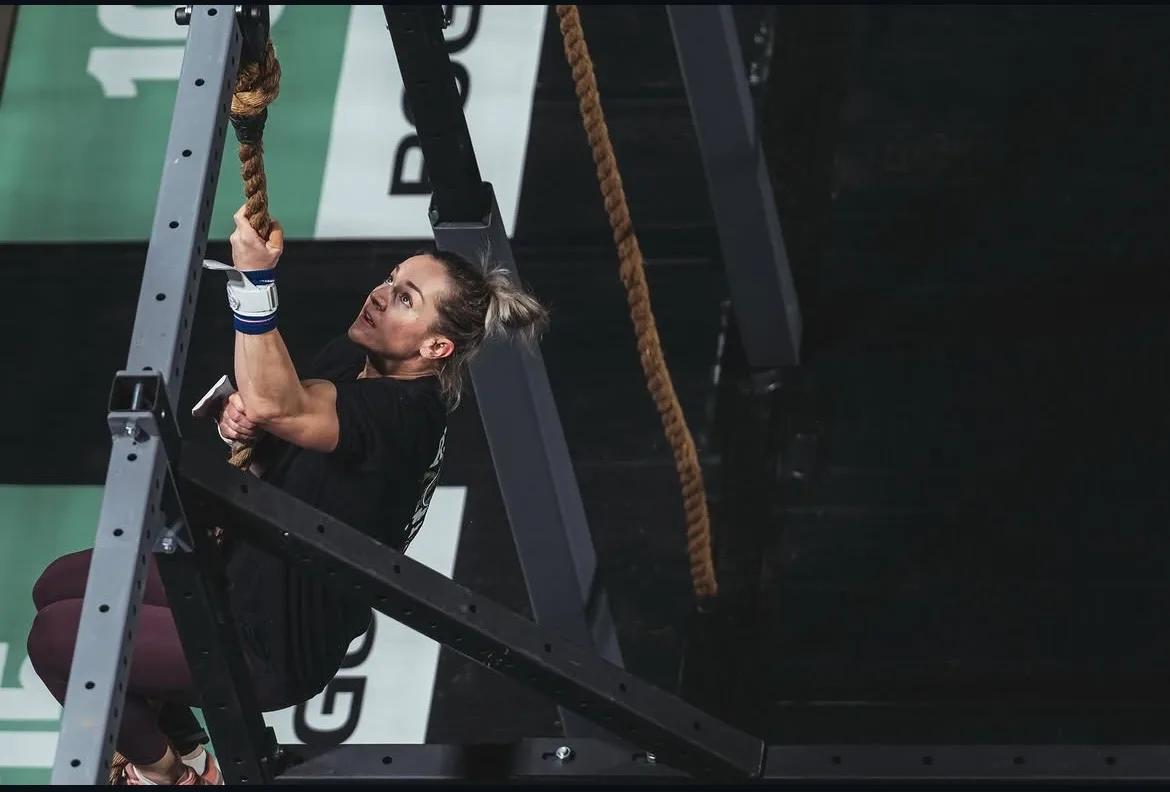
For decades, "no pain, no gain" has been one of the most common phrases in fitness, but it's also one of the most misunderstood. Training should absolutely challenge you. Your heart rate should climb, your muscles should fatigue, and there will be days when you have to push through discomfort to finish a workout. Pain, however, is different from discomfort. Sharp, increasing, or persistent pain is your body's way of telling you that something needs attention, it is not something to ignore. One of the biggest mistakes I see people make is assuming that every ache should be pushed through. In reality, the athletes who make the most consistent progress are the ones who learn the difference between productive training discomfort and pain that signals something isn't right.
When you frequently drive yourself to lift heavy weight while strength training, and finish your session each day by pushing the intensity during conditioning, the unwelcome side effect is that some days, your body is going to feel those stressors. One of the most valuable skills you can develop as an athlete is learning to listen to your body. That doesn't mean avoiding hard work or backing off every time training feels difficult. It means recognizing when your body is adapting to training versus when it's asking for a different approach. I've coached athletes who have trained consistently for years with very few interruptions, and it isn't because they've never had aches and pains. Everyone who trains consistently DOES experience these sensations. It's because they've learned when to push, when to customize, and when to let a small issue stay small instead of allowing it to become a bigger problem.
The athletes who make the greatest long-term progress usually aren't the ones who string together a few perfect weeks of training. They're the ones who string together months and years of healthy, consistent training. Fitness compounds over time. Every productive training session builds on the one before it. Strength increases, aerobic capacity improves, movement becomes more efficient, and confidence grows. Those adaptations don't happen overnight. They accumulate gradually, and the athletes who stay healthy long enough to keep training are the ones who benefit the most from that compounding effect.
This is one of the reasons we place such a strong emphasis on customizing training at Invictus. If your shoulder hurts during overhead pressing, your knee is irritated after running, or your back doesn't tolerate a particular movement that day, our goal isn't to send you home. Instead, our intention is to find a productive way for you to continue training while respecting what you are feeling. In many cases, a few thoughtful adjustments allow you to complete a great workout without aggravating the issue. (Check out these articles on how to strategically train around common upper and lower body injuries.) Over the course of weeks and months, those decisions help keep your training moving forward instead of forcing unnecessary setbacks.
One of the things I'm most proud of at Invictus is our coaching staff. Every coach on the floor understands that no two athletes are exactly alike. Members arrive with different injury histories, different mobility limitations, different training ages, and different goals. Our coaches are constantly helping members customize movements, loading, range of motion, and exercise selection so they can continue training safely and effectively. That ability to individualize training is one of the biggest advantages of working with an experienced coach, and it's one of the reasons so many of our members are able to train consistently year after year. Read: "What is Customizing?"
Of course, not every ache goes away with a few simple adjustments. If pain continues to worsen, begins limiting your daily activities, or isn't improving after a couple of weeks of smart training, it's worth having it evaluated by a qualified healthcare professional. Addressing an issue early is often much easier than waiting until it becomes a more significant injury.
Hard training is an important part of becoming stronger, healthier, and more resilient. Pain doesn't have to be. The goal isn't to see how much discomfort you can tolerate. The goal is to train consistently enough that your fitness continues to improve year after year. Learn to listen to your body, communicate with your coach, and don't be afraid to customize your training when needed. Those habits may not seem exciting in the moment, but over the course of several years they often make the biggest difference in your long-term progress, allowing you to keep showing up.