
By: Dr. Goldberg (Invictus DC)
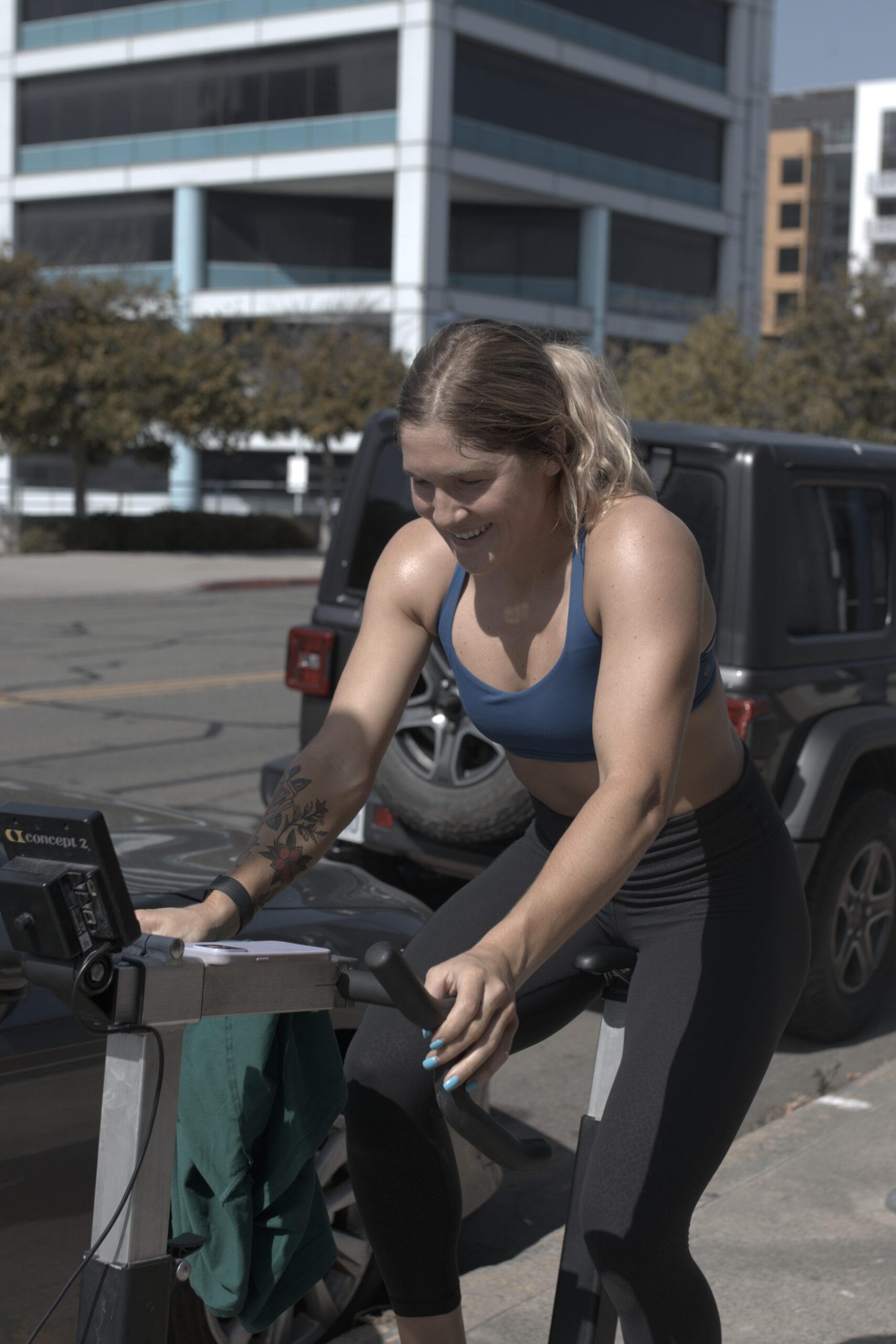
It’s common knowledge that exercising in the heat is hard; the heat has the ability to make just about any workout more challenging and, let’s face it, unenjoyable. Many, if not all, athletes may notice that their strength and/or aerobic capacity decreases in the heat as well, which can lead to frustration and, in some cases, exhaustion.
While it’s good and can be helpful to know that you’re not alone in this hot, humid experience, I find understanding the “why” behind it to be even moreso. So, let’s talk a little bit about why the heat makes working out feel so hard, and what, if anything, can we do to manage associated performance effects.
It may seem too obvious to be true, but the reason why working out in the heat is so hard is literally that our bodies get hot and can’t cool down. The process by which our bodies keep our temperature stable is called thermoregulation . It’s the need to keep our temperature stable that results in the performance impacts we experience in the heat.
Before we get into how heat affects your workouts, let’s do a quick review on how our bodies responds to exercise in “normal”, or temperature-controlled environments.
The moment you start exercising, your sympathetic nervous system (which is responsible for “fight-or-flight” responses) is stimulated, resulting in various bodily responses that help keep you moving. A very high-level overview of some of these responses is below:
Your body is like a thermostat, keeping your temperature within 1-2° of 98.6°F. This temperature range is really important to our survival, as it’s the safe range for all our organs and systems to function properly.
During exercise, the heat released by your working muscle results in increased body temperature. Your body has a couple of ways to release this heat:
These “heat releasing systems” are normally effective, but when the air around our exercising bodies is excessively hot and/or humid, our bodies can’t effectively cool off and we start running into some issues. The resulting events happen simultaneously, and are illustrated below:
Fluid loss due to increased sweat rates during exercise puts athletes at risk of dehydration, which further exacerbates the performance effects above:
So with all this in mind, what can we, as athletes, do to mitigate some of these effects? Well, the unfortunate truth is that there’s only so much we can do.
Hopefully by now you realize that the heat really does impact your athletic abilities! With that in mind, one of the most important mitigation strategies is simply to listen to your body.
You’ve probably heard of heat acclimation , or the gradual build-up of tolerance to the heat. Our bodies are incredibly adaptable and, given time, our bodies can adapt to working out in the heat. Heat acclimation is super individualized, and it’s dependent on many factors like the duration and frequency of workouts and the environmental conditions of the day. In general, it takes at least 14 days for physiologic adaptations to take place and they go away once heat exposure ends.
Exercising in the heat isn’t the most enjoyable experience for any of us, but understanding what’s happening inside your body can help you manage what you’re feeling and adapt to ensure you’re still getting in a great workout!
Are you interested in joining our community to learn and grow more in your fitness journey? Click here to get started today!